You are using an out of date browser. It may not display this or other websites correctly.
You should upgrade or use an alternative browser.
You should upgrade or use an alternative browser.
best balljoints????????
- Thread starter dentdude
- Start date

crazykaese
91ProtoTy/IndyPaceTribute & Sawzall Master
Re: best balljoints????????
Make sure you installed em right - the lowers bolton UNDERNEATH the flange on the a-arm - not down thru the top of the hole. I made that mistake - sheered the 4 retaining bolts off in a few thousand miles.
It does fit together quite easily the wrong way and everything aligns fine so it was easy to make that mistake.
Just figured I'd pass that along.
Make sure you installed em right - the lowers bolton UNDERNEATH the flange on the a-arm - not down thru the top of the hole. I made that mistake - sheered the 4 retaining bolts off in a few thousand miles.
It does fit together quite easily the wrong way and everything aligns fine so it was easy to make that mistake.
Just figured I'd pass that along.

4C FED
Absolutum Dominium
Re: best balljoints????????
I've been reading about Power Performace ball joints.
Here's some propaganda from them:
"PP are imported pieces. They are made in China. This makes the price cheep and the quality good but not great.
I think they only have a 1 year warranty."
"Sorry for the late reply, but I just came across this post. The short version is that this information is incorrect. We offer a 1,000,000 mile warranty on all of our ball joints and steering linkage. The benchmark for quality of ball joints is the stud pullout rating. In our testing, the Moog K5208 upper S10 ball joint stud pulled out at 10,846 lbs. Our stud pulled out at 16,545 lbs. We accomplish this through use of superior metals and a forging process rather than a cast or stamping process like the competition.
The reason our price is less is because we are manufacturer-direct, and we don't have 10 layers of executives and a fleet of private jets to support!
Below is a detailed technical explanation for those who are interested
Please excuse the length of the post, but there is an enormous amount of important technical information to talk about.
Here are the details:
Ball joints:
The parts are made with highly polished stud and bearing surfaces with close tolerance clearances between the surfaces to reduce friction. The parts come factory packed with the highest quality molybdenum disulfide grease for performance regardless of temperature, pressure, or cycle frequency.
Mid-carbon steel (.43% carbon) is used whereas competitors use mild steel (.17%). The reason competitors use low carbon steel is because it's cheaper to buy and easier to work with. Low carbon steel allows them to produce shells and studs using cold forging rather than stronger, more expensive hot forging needed with mid-carbon steel. SAE1045 mid-carbon micro alloy steel is the particular steel used. Competition uses SAE4118 low carbon steel.
We used the higher carbon steel and hot forging method because we get a stronger, more durable part with less distortion from the severe heat-treating required to get the same hardness from low carbon steel.
The result of the cold forging is that size variations may be over +/- .010". Our part is CNC milled on all surfaces to produce virtually zero tolerance fit.
The S10 upper ball joints are made from hot forging rather than the metal stampings used by competition. This gave us a much stronger, more durable part with a much larger, stronger bearing surface and a pull-out rating almost double that of Moog.
Threads on studs and nuts are machine cut and matched to ensure greatest thread contact and smoothness of torques. Wait until you feel how perfectly and easily the nut goes on the stud for ease of installation.
CR rubber compound is used for the dust boots. It remains strong and flexible at the high and low temperatures encountered by North American vehicles. CR compound is also impermeable to brake fluid and road level ozone. The boots have a double lip seal to keep grease in and dirt out. The boots are anchored to the part to ensure boot retention. An accordion-type boot is used on the upper ball joints. This prevents the bottom of the boot from being pulled from its anchored base and prevents the stud sealing hole from becoming elliptical (egg shaped).
The ball joints come fully assembled and can be installed with the boot already installed on the ball joint.
They also feature forged ball studs (SAE4140 steel) and a knurled, press-fit diameter to accommodate both fresh and worn lower control arms. All mounting hardware is SAE grade-8.
When tested, the Moog K5208 ball joint (the upper ball joint) stud pulled out at 10,846 lbs. Our stud pulled out at 16,545 lbs."
_________________
Zack Kanter
Power Performance Motorsports
www.PowerPerformanceMotorsports.com
I've been reading about Power Performace ball joints.
Here's some propaganda from them:
"PP are imported pieces. They are made in China. This makes the price cheep and the quality good but not great.
I think they only have a 1 year warranty."
"Sorry for the late reply, but I just came across this post. The short version is that this information is incorrect. We offer a 1,000,000 mile warranty on all of our ball joints and steering linkage. The benchmark for quality of ball joints is the stud pullout rating. In our testing, the Moog K5208 upper S10 ball joint stud pulled out at 10,846 lbs. Our stud pulled out at 16,545 lbs. We accomplish this through use of superior metals and a forging process rather than a cast or stamping process like the competition.
The reason our price is less is because we are manufacturer-direct, and we don't have 10 layers of executives and a fleet of private jets to support!
Below is a detailed technical explanation for those who are interested
Please excuse the length of the post, but there is an enormous amount of important technical information to talk about.
Here are the details:
Ball joints:
The parts are made with highly polished stud and bearing surfaces with close tolerance clearances between the surfaces to reduce friction. The parts come factory packed with the highest quality molybdenum disulfide grease for performance regardless of temperature, pressure, or cycle frequency.
Mid-carbon steel (.43% carbon) is used whereas competitors use mild steel (.17%). The reason competitors use low carbon steel is because it's cheaper to buy and easier to work with. Low carbon steel allows them to produce shells and studs using cold forging rather than stronger, more expensive hot forging needed with mid-carbon steel. SAE1045 mid-carbon micro alloy steel is the particular steel used. Competition uses SAE4118 low carbon steel.
We used the higher carbon steel and hot forging method because we get a stronger, more durable part with less distortion from the severe heat-treating required to get the same hardness from low carbon steel.
The result of the cold forging is that size variations may be over +/- .010". Our part is CNC milled on all surfaces to produce virtually zero tolerance fit.
The S10 upper ball joints are made from hot forging rather than the metal stampings used by competition. This gave us a much stronger, more durable part with a much larger, stronger bearing surface and a pull-out rating almost double that of Moog.
Threads on studs and nuts are machine cut and matched to ensure greatest thread contact and smoothness of torques. Wait until you feel how perfectly and easily the nut goes on the stud for ease of installation.
CR rubber compound is used for the dust boots. It remains strong and flexible at the high and low temperatures encountered by North American vehicles. CR compound is also impermeable to brake fluid and road level ozone. The boots have a double lip seal to keep grease in and dirt out. The boots are anchored to the part to ensure boot retention. An accordion-type boot is used on the upper ball joints. This prevents the bottom of the boot from being pulled from its anchored base and prevents the stud sealing hole from becoming elliptical (egg shaped).
The ball joints come fully assembled and can be installed with the boot already installed on the ball joint.
They also feature forged ball studs (SAE4140 steel) and a knurled, press-fit diameter to accommodate both fresh and worn lower control arms. All mounting hardware is SAE grade-8.
When tested, the Moog K5208 ball joint (the upper ball joint) stud pulled out at 10,846 lbs. Our stud pulled out at 16,545 lbs."
_________________
Zack Kanter
Power Performance Motorsports
www.PowerPerformanceMotorsports.com


Daveman2
Autox Blazer
Re: best balljoints????????
However I bet these balljoints would hold up to quite a bit more than my old ones.
Which popping noises? Mostly the ones I hear backing up and turning, or sometimes going into driveways. I've got a slammed 4X4, it's not too surprising.hatrik8 said:Which pn ?
However I bet these balljoints would hold up to quite a bit more than my old ones.
4C FED
Absolutum Dominium
Re: best balljoints????????
5320 for the upper
If you click on the PN's they have a listing for the applicable years.
5289 for the lowerhatrik8 said:Which pn ?
5320 for the upper
If you click on the PN's they have a listing for the applicable years.

hatrik8
Donating Member
Re: best balljoints????????
Thanks. Didn't know if we were supposed to look under 4wd model or not.
4C FED said:5289 for the lower
5320 for the upper
If you click on the PN's they have a listing for the applicable years.
Thanks. Didn't know if we were supposed to look under 4wd model or not.

InvisiBill
Active member
Re: best balljoints????????
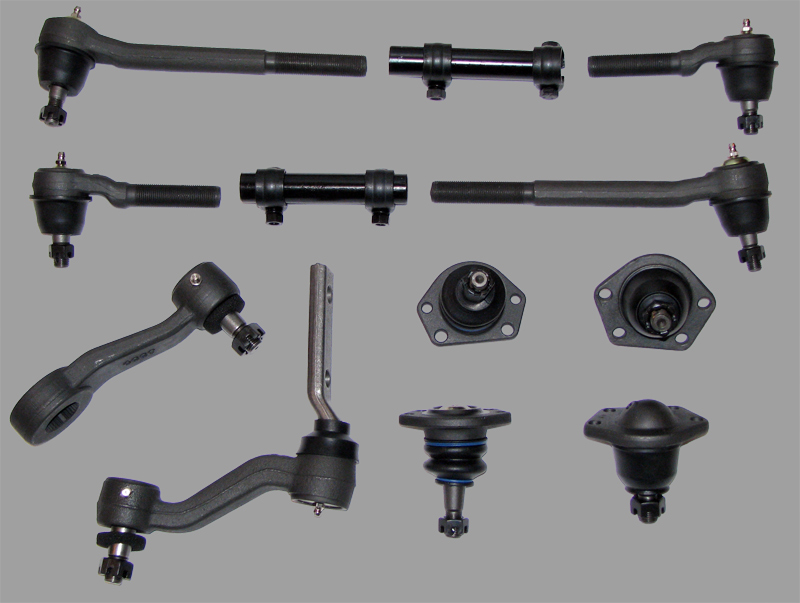
I was looking for some Power Performance reviews and stumbled across a thread at ZR2 USA. http://www.zr2usa.com/mboard/index.php?showtopic=24750 You have to own a ZR2 to have an account there, but you can see the thread without being one. He's selling a kit of all the front end suspension stuff for T-trucks. Compared to ordering directly from Power Performance Motorsports, the balljoint kit is a couple bucks cheaper and the full kit is a couple bucks more. *shrug*
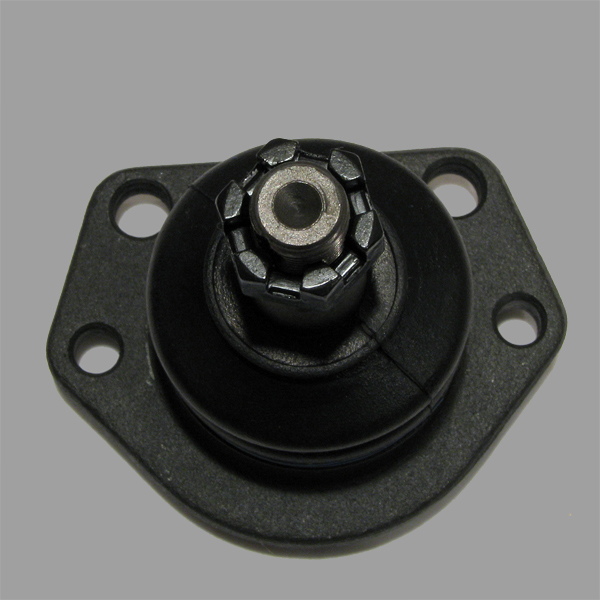
As mentioned in another thread over there, the uppers have accordian boots for more flex and they're held on with snaprings, as well as the zerk threads being machined rather than using self-tapping.
Here's a list of all the parts we need.
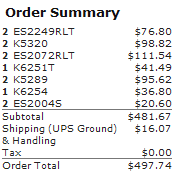
Here are the pics in case they're unavailable later for whatever reason...
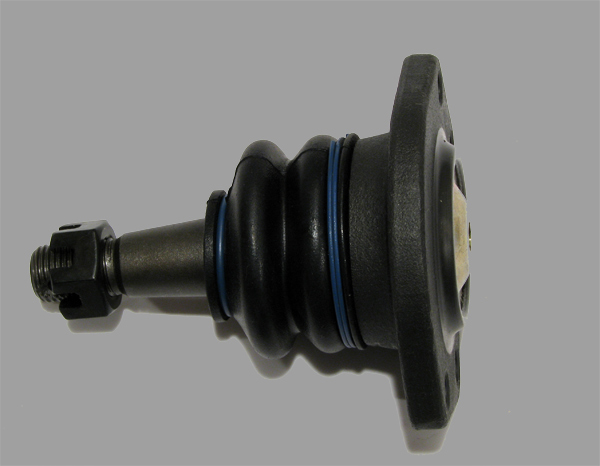
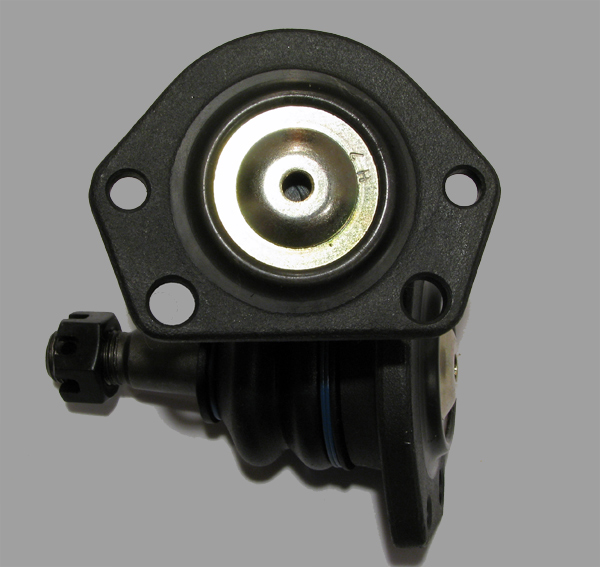
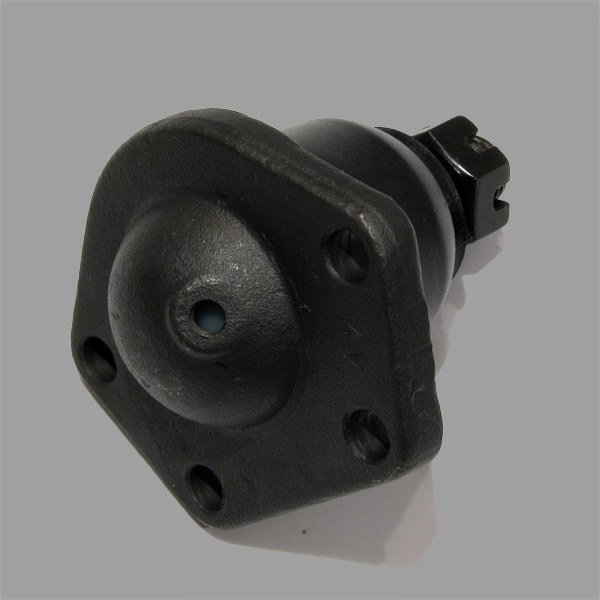
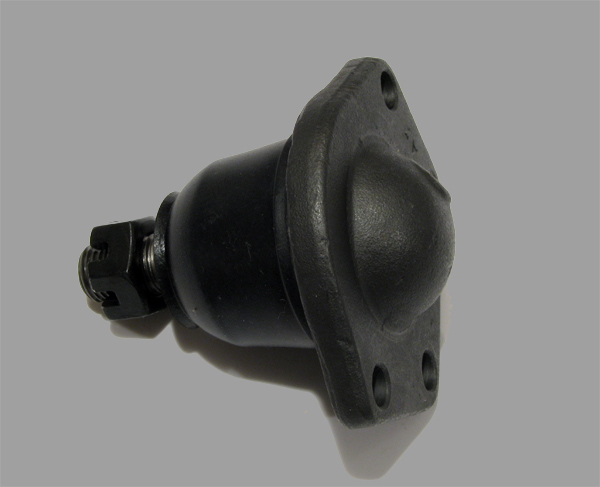
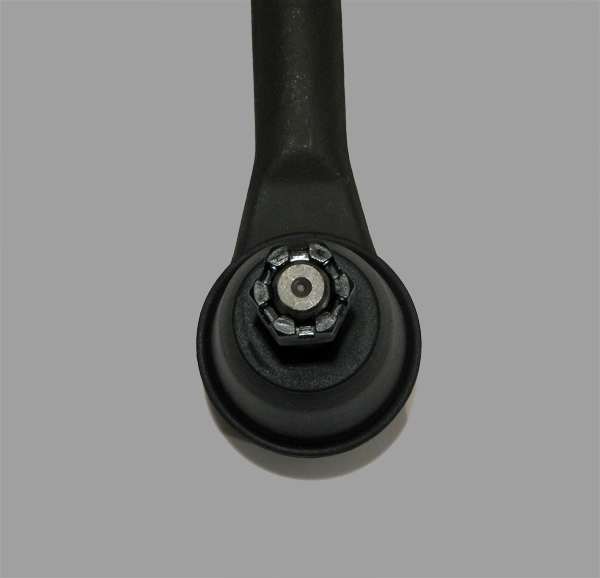
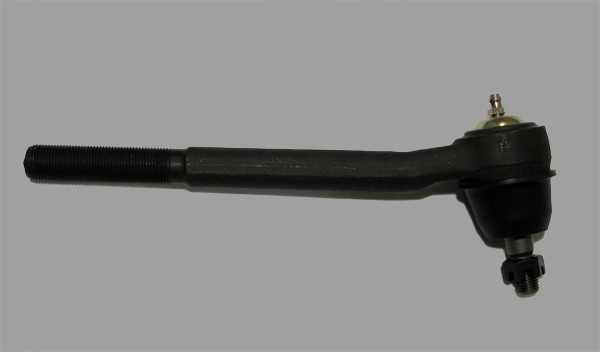
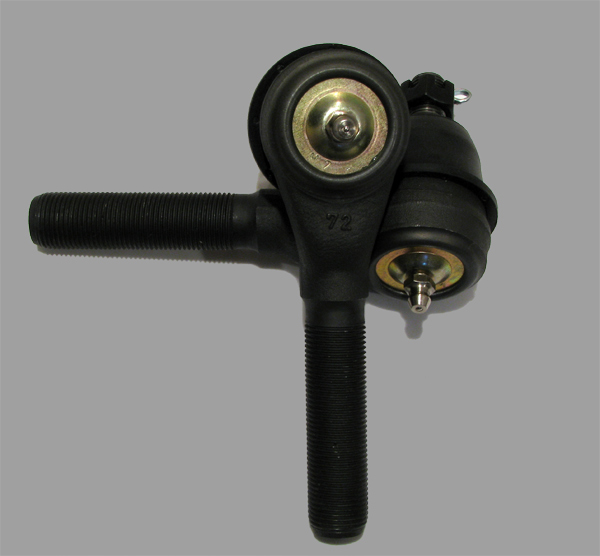
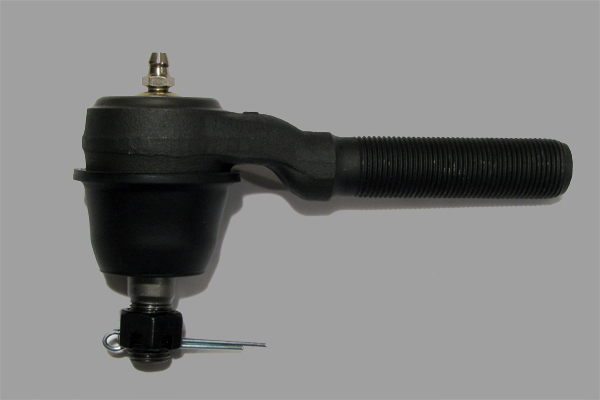
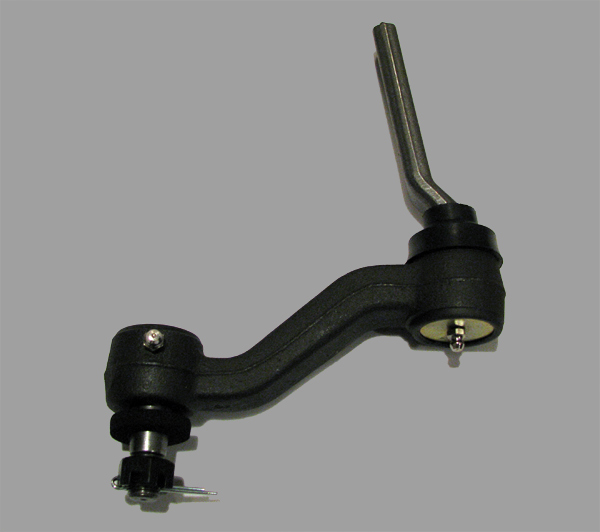
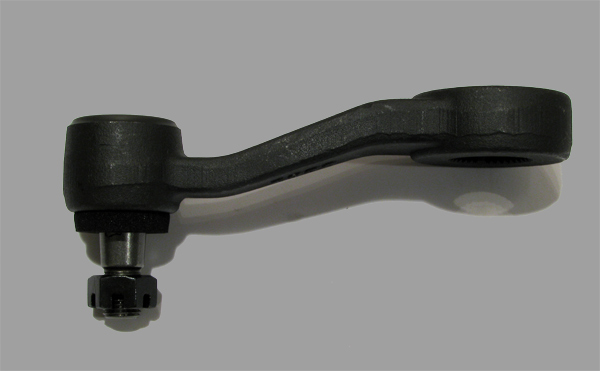
I was looking for some Power Performance reviews and stumbled across a thread at ZR2 USA. http://www.zr2usa.com/mboard/index.php?showtopic=24750 You have to own a ZR2 to have an account there, but you can see the thread without being one. He's selling a kit of all the front end suspension stuff for T-trucks. Compared to ordering directly from Power Performance Motorsports, the balljoint kit is a couple bucks cheaper and the full kit is a couple bucks more. *shrug*
As mentioned in another thread over there, the uppers have accordian boots for more flex and they're held on with snaprings, as well as the zerk threads being machined rather than using self-tapping.
Here's a list of all the parts we need.
Here are the pics in case they're unavailable later for whatever reason...
Last edited:
Power Performance
New member
Re: best balljoints????????
Hey all,
We're new advertisers to the forum. I came across this post and wanted to clarify that the correct part number for the pitman arm should be K6339, not K6254. I believe the K6339 pitman arm fits all GMC Sonomas etc from 85-93.
If anyone has any specific questions about our products, feel free to contact me directly or visit our forum in the Vendor Marketplace.
Hey all,
We're new advertisers to the forum. I came across this post and wanted to clarify that the correct part number for the pitman arm should be K6339, not K6254. I believe the K6339 pitman arm fits all GMC Sonomas etc from 85-93.
If anyone has any specific questions about our products, feel free to contact me directly or visit our forum in the Vendor Marketplace.

graham1524
Well-known member
Re: best balljoints????????
is the set shown the ones listed as syty on the webpage?
is the set shown the ones listed as syty on the webpage?
Power Performance
New member
Re: best balljoints????????
Yes!
Yes!

Power Performance
New member
Re: best balljoints????????
The lowers are about the same price as the uppers and are about the same price as Moog...
I've got Power Performance uppers on my custom tubular arms and love em just wish the lower Powers didnt cost an arm and a testicle or I'd be runnin them too!
The lowers are about the same price as the uppers and are about the same price as Moog...
Power Performance
New member
Re: best balljoints????????
The housings are black phosphate coated. The studs are bare metal.
The housings are black phosphate coated. The studs are bare metal.